
Product Category
Fuel Cells
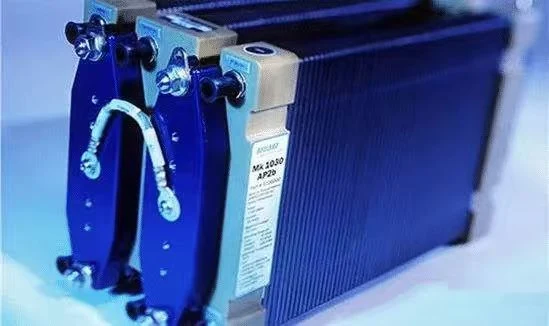
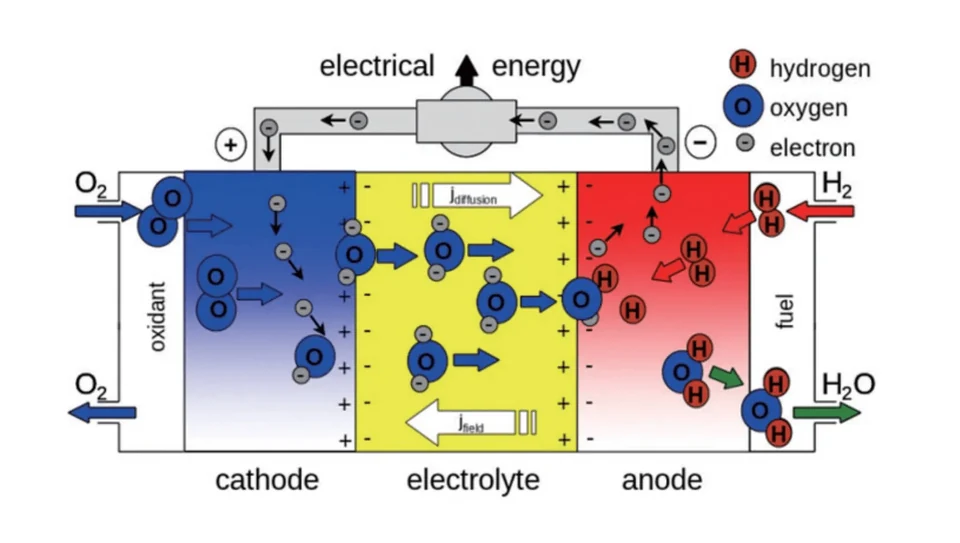
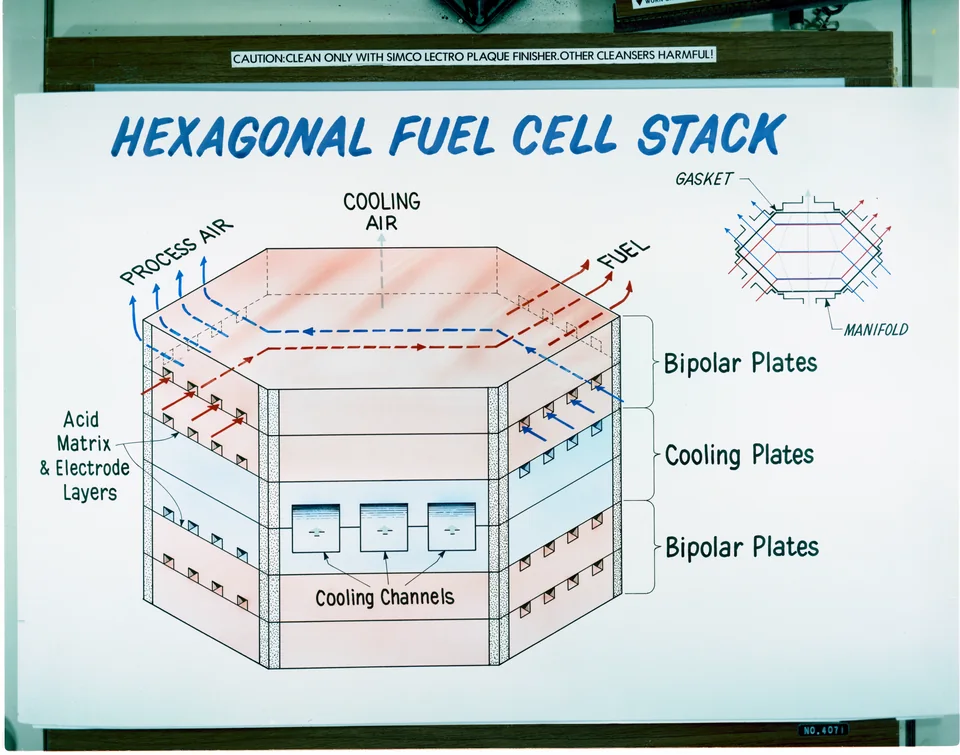
Hydrogen PEM fuel-cell stacks, modules and system-integration components for backup power, stationary power, mobility, marine, UAV, material-handling and off-grid applications.
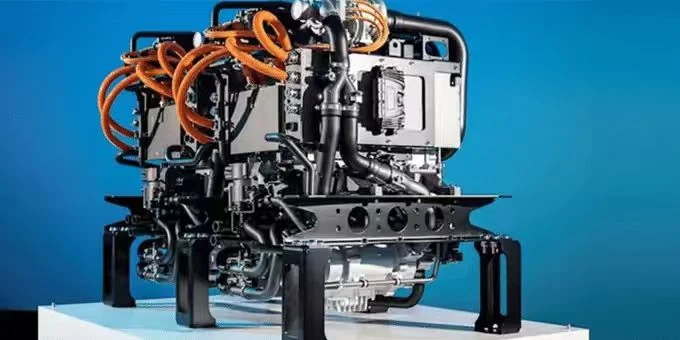
Backup power, off-grid power, mobile platforms, material handling and clean-energy integration.
Selection Parameters
What to specify for a quote
Category-level selection fields for RFQ preparation. Exact values must be confirmed against the selected model, datasheet and project conditions.
| Parameter | Typical Values / Options | RFQ Input | Engineering Note |
|---|---|---|---|
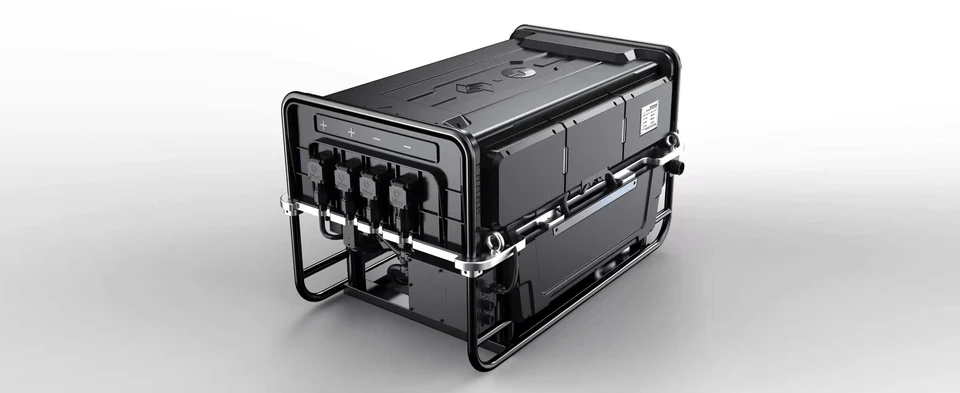
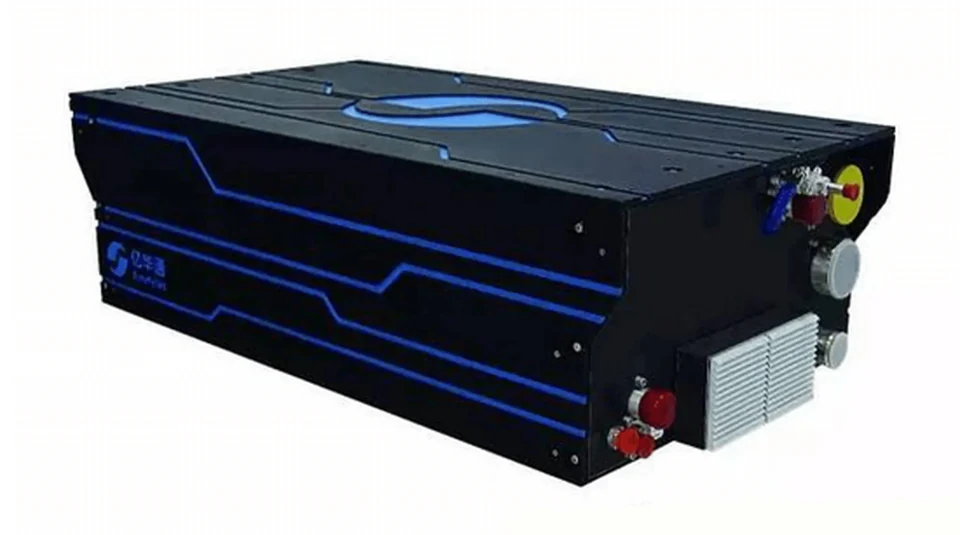
| Fuel Cell Type | PEM fuel-cell stack, Air-cooled PEM module, Liquid-cooled PEM module, Integrated fuel-cell system | Stack/module/system scope, power class and integration boundary. | Clarify whether the quote is for a stack, module, balance-of-plant package or complete system. |
| Rated Power | Portable watt-class systems, Kilowatt-class modules, Stationary or mobility system ratings | Rated power, peak power, duty cycle and required operating duration. | Differentiate stack power, net module output and complete system output. |
| Output Voltage Range | DC bus output, Battery-hybrid output, Custom converter output | Nominal voltage, allowable range, ripple limit and load profile. | Voltage range changes with stack current, converter architecture and hybrid battery design. |
| Rated / Peak Current | Continuous current, Peak current, Transient current support | Continuous current, peak current duration and load transient profile. | Fuel cells are commonly paired with batteries or supercapacitors for fast transients. |
| Hydrogen Purity Requirement | Fuel-cell grade hydrogen, ISO 14687-aligned specification, Project-specific purity limits | Hydrogen source, purity grade, impurity limits and supply standard. | Hydrogen purity affects catalyst life, performance decay and warranty conditions. |
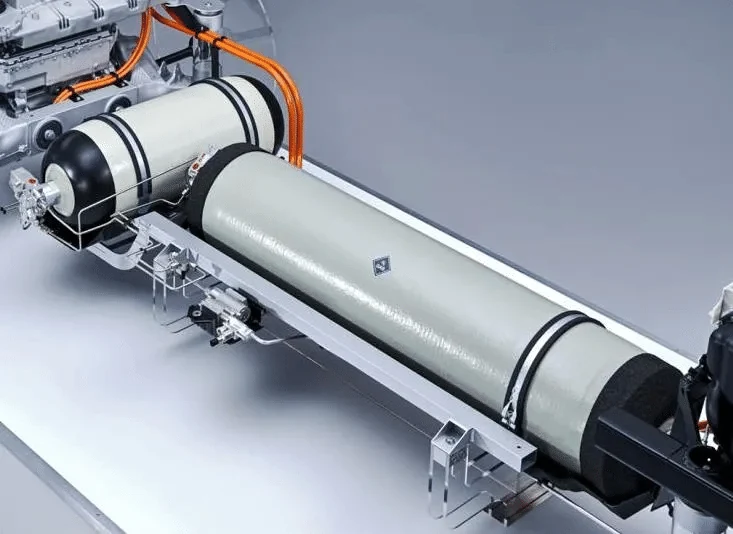
| Hydrogen Supply Pressure | Low-pressure regulated supply, Cylinder supply with pressure regulation, System-specific inlet pressure | Available inlet pressure, regulator type, storage method and safety shutoff requirements. | Final pressure limits must follow the selected stack/module datasheet and local safety rules. |
| Hydrogen Consumption | Consumption at rated load, Consumption by power output, Runtime per cylinder/tank | Target runtime, load profile and available hydrogen storage capacity. | Consumption should be evaluated against the real duty cycle, not only rated output. |
| System Efficiency | Stack efficiency, Net system efficiency, Efficiency at rated load | Required efficiency point, operating load range and auxiliary-power assumptions. | Net system efficiency includes pumps, fans, valves, controller and power conversion losses. |
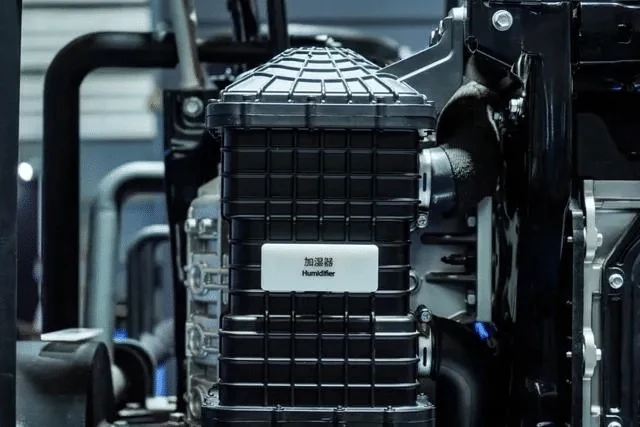
| Cooling Method | Air-cooled, Liquid-cooled, Integrated thermal-management loop | Ambient temperature, installation space, noise limit and continuous operating duration. | Air cooling is common at lower power; liquid cooling supports higher power and continuous duty. |
| Operating Temperature Range | Indoor, Outdoor, Low-temperature start, High-temperature derating | Minimum/maximum ambient temperature, altitude and enclosure conditions. | Cold start and thermal derating should be specified separately from normal operation. |
| Start-Up Time | Cold start, Warm start, Start after standby | Required start time, standby state and acceptable battery-assist behavior. | Start-up depends on purge strategy, temperature, hydration state and control logic. |
| Dimensions and Weight | Module envelope, System enclosure, Packaged shipping weight | Available installation envelope, mounting orientation, maximum weight and service access constraints. | For shipment planning, separate product net weight from gross weight and volume. |
| Ingress Protection (IP Rating) | IP54, IP55, IP65, IP67, IP68 | Target IP rating, indoor/outdoor use, wash-down exposure and dust environment. | IP ratings must be confirmed at complete product or enclosure level. |
| Safety and Control Interfaces | CAN, RS-485, Ethernet, Dry contact, Hydrogen leak detection, Emergency stop | Required communication protocol, alarms, interlocks, shutdown logic and integration controller. | Safety design must cover hydrogen detection, ventilation, pressure protection and electrical isolation. |
| Service Life and Maintenance | Stack operating hours, Maintenance interval, Performance degradation target | Annual operating hours, duty cycle, maintenance access and warranty expectation. | Lifetime depends on load cycling, hydrogen quality, temperature control and maintenance practices. |
Gallery
Reference visuals for this category
Applications
Where Fuel Cells are used
Application
Sustainable Energy
Fuel-cell systems, portable power platforms and intelligent energy management for backup power, off-grid sites, low-carbon mobility and distributed energy projects.
Explore application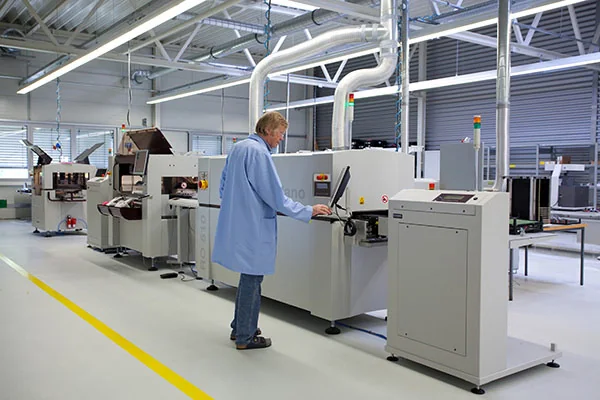
Application
Smart Manufacturing
Materials, communication devices and energy subsystems for Industry 4.0, in-vehicle electronics, industrial control, robotics and intelligent terminals.
Explore application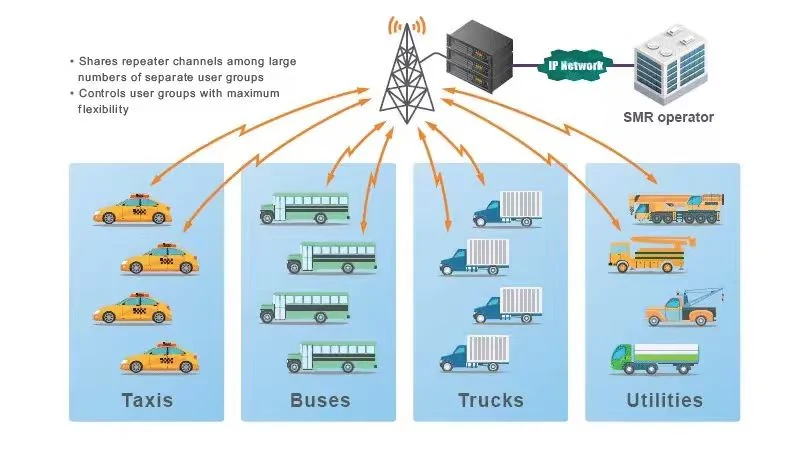
Application
Transport, Security & Field Dispatch
Two-way radio, dispatch-network and portable-energy support for transport fleets, campuses, security teams, emergency response and field operations.
Explore applicationOrdering
Freight, payment and document notes
FAQ